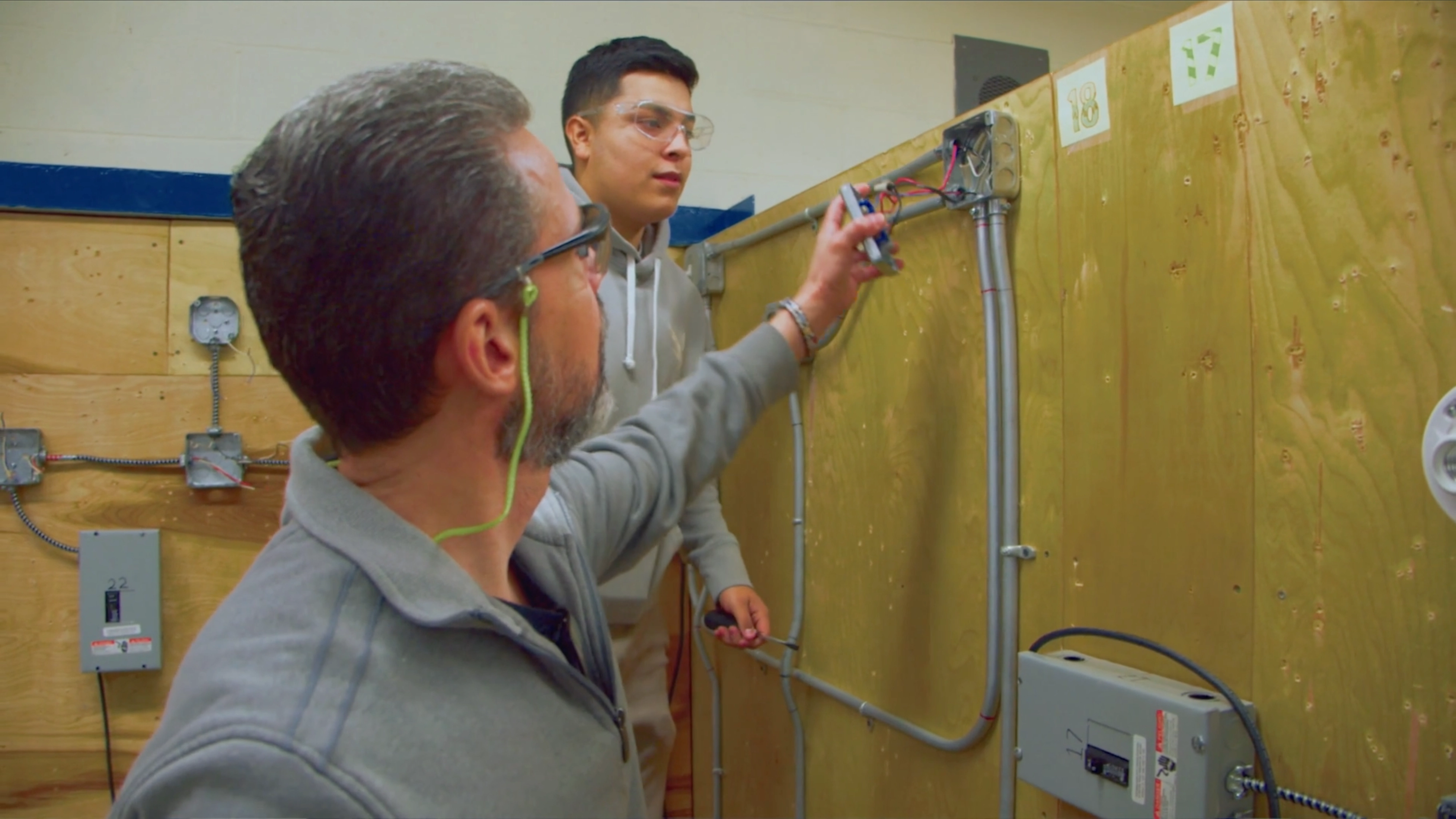
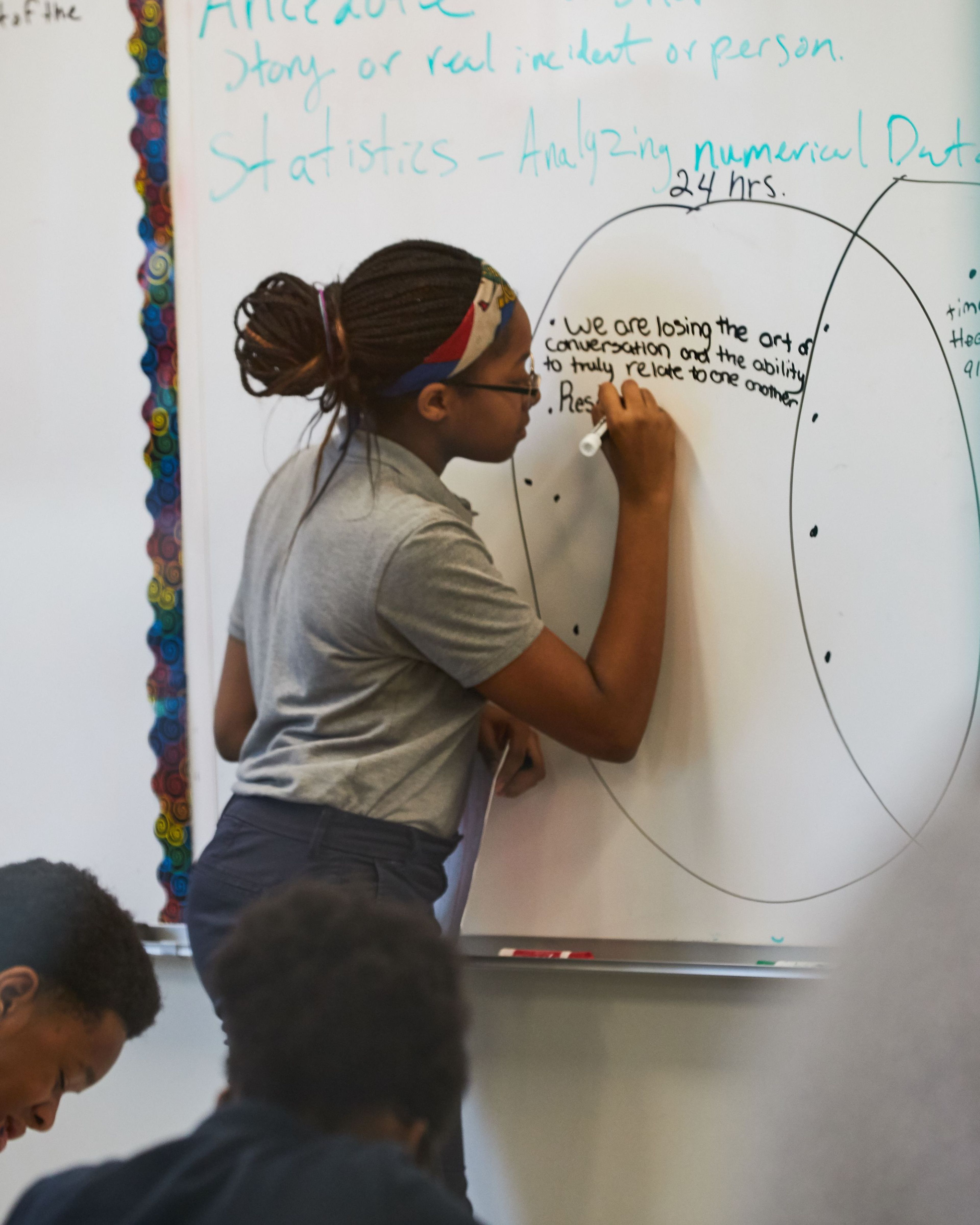
Academic content and durable skills aren't parallel tracks — they're inseparable. The most powerful projects are designed to build both, at the same time, in the same work.
A multi-dimensional project integrates academic content with the competencies students need to do something meaningful with that content. A student writing a persuasive essay isn't just practicing argumentation — they're learning to structure reasoning, marshal evidence, and communicate to an audience. Those capacities reinforce each other. Separating them weakens both.
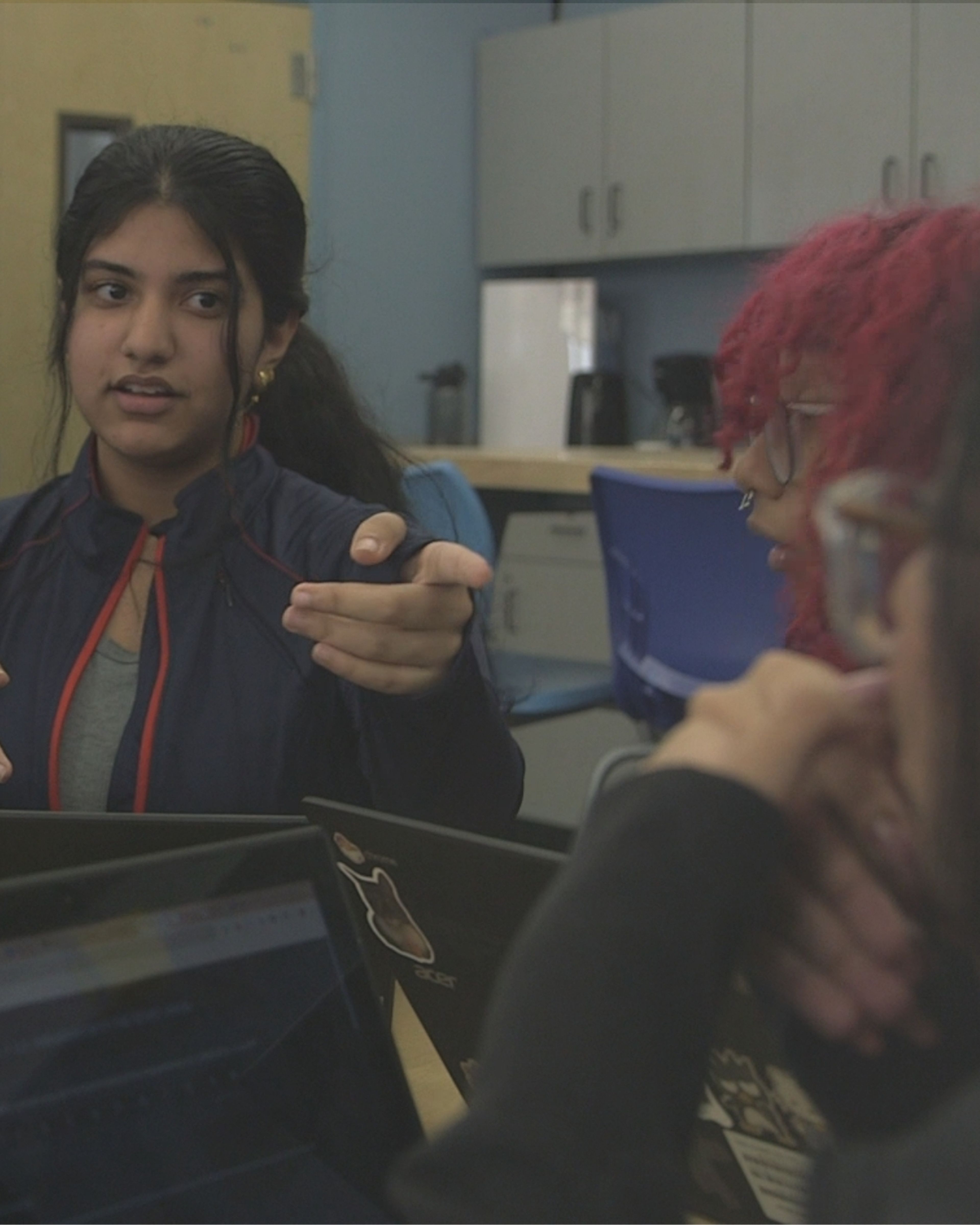
Designing for multiple dimensions means identifying the 2–3 competencies that are genuinely central to the project — the skills without which students couldn't complete the work — and then building those competencies explicitly through modeled practices, structured routines, coaching, and feedback. Students don't just use collaboration skills; they learn what effective collaboration looks like and practice it in context.
This is achievement worth measuring. Students leave high school with content knowledge they genuinely understand — because they used it to do something real — and with skills they can transfer across subjects and situations, because they practiced them where they actually mattered.